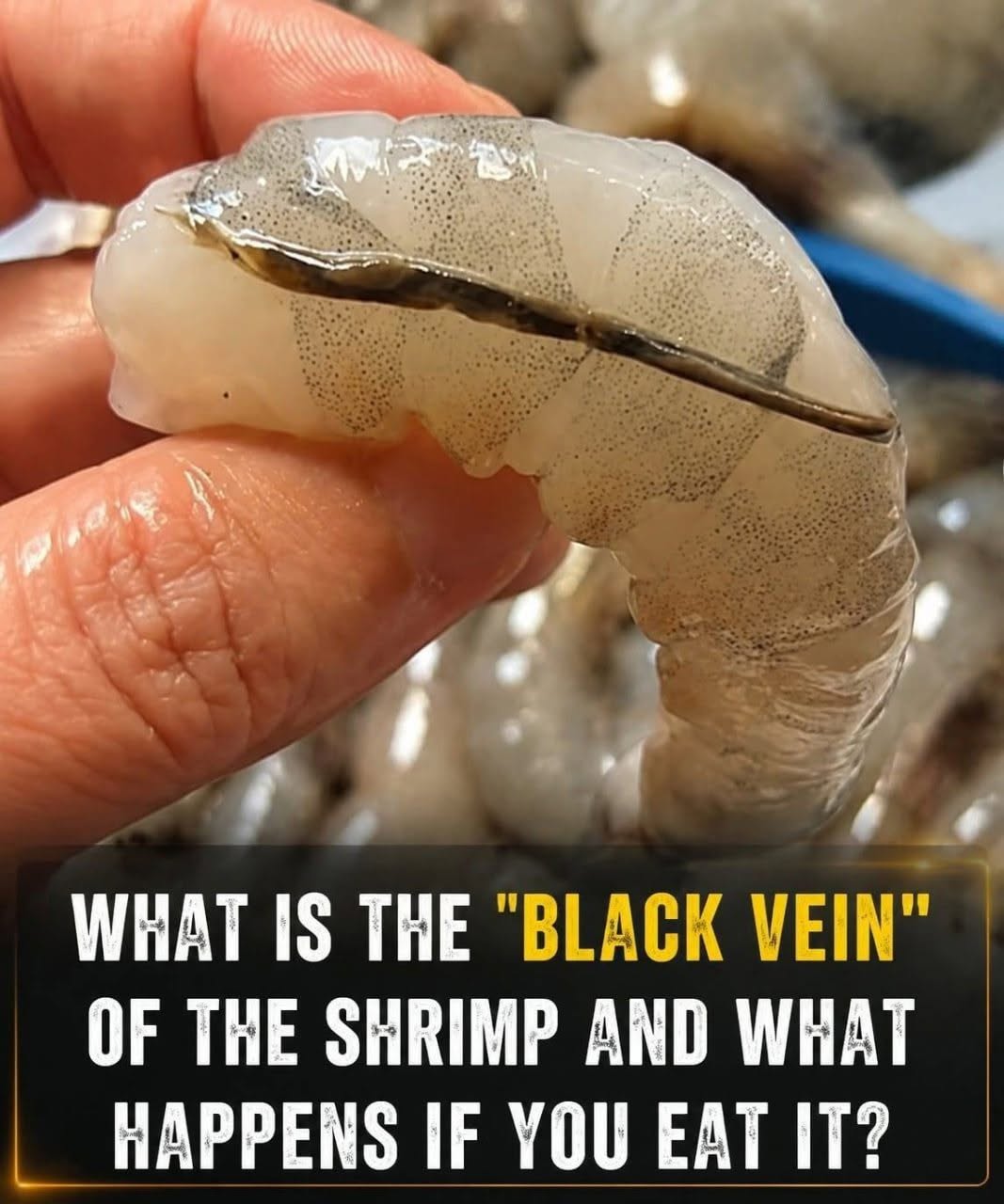
From a food safety standpoint, shrimp with the digestive tract left intact is generally safe to eat, provided the shrimp is fresh and thoroughly cooked. High cooking temperatures kill harmful bacteria, significantly reducing health risks.
That said, safety isn’t the only consideration when cooking. Flavor, texture, appearance, and comfort all play a role in how enjoyable a dish ultimately is.
How the Digestive Tract Affects Flavor and Texture
Many chefs recommend removing the tract not because it’s dangerous, but because it can subtly affect the eating experience. When left in place, some people notice a slightly bitter aftertaste or a faint grittiness—especially in grilled, fried, or sautéed shrimp, where the flavor is more concentrated.
Removing it often results in a cleaner taste and a smoother, more pleasant bite. For dishes where shrimp is the star, this small step can make a noticeable difference.
How to Devein Shrimp Easily
Deveining shrimp is straightforward and requires no special equipment:
-
- With raw shrimp, make a shallow cut along the back using a small knife.
- Gently lift out the dark line with the tip of the blade or a toothpick and discard it.
The process can also be done after cooking and peeling, though the shrimp will be firmer and slightly harder to work with.
Do All Shrimp Need to Be Deveined?
Continued on next page: