Travel the world in their eighties.
Start new hobbies.
Volunteer in their communities.
Write books.
Meet great-grandchildren.
Celebrate their ninetieth and hundredth birthdays.
Age alone does not determine how much time remains.
Health habits, genetics, medical care, social support, and simple luck all play important roles.
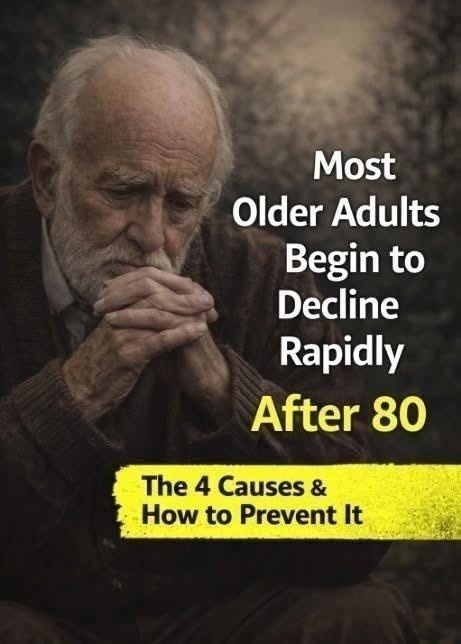
The four factors discussed—declining repair systems, chronic disease, loss of muscle strength, and social isolation—certainly contribute to reduced longevity after age 80. Yet understanding these challenges also reveals opportunities.
The goal should not simply be adding years to life. It should be adding life to years.
For many older adults, the difference between merely surviving and truly thriving comes down to staying active, connected, engaged, and committed to healthy habits. While nobody can stop the clock, people can often influence how well they live during the time they have—and that remains true at 80, 90, and beyond.