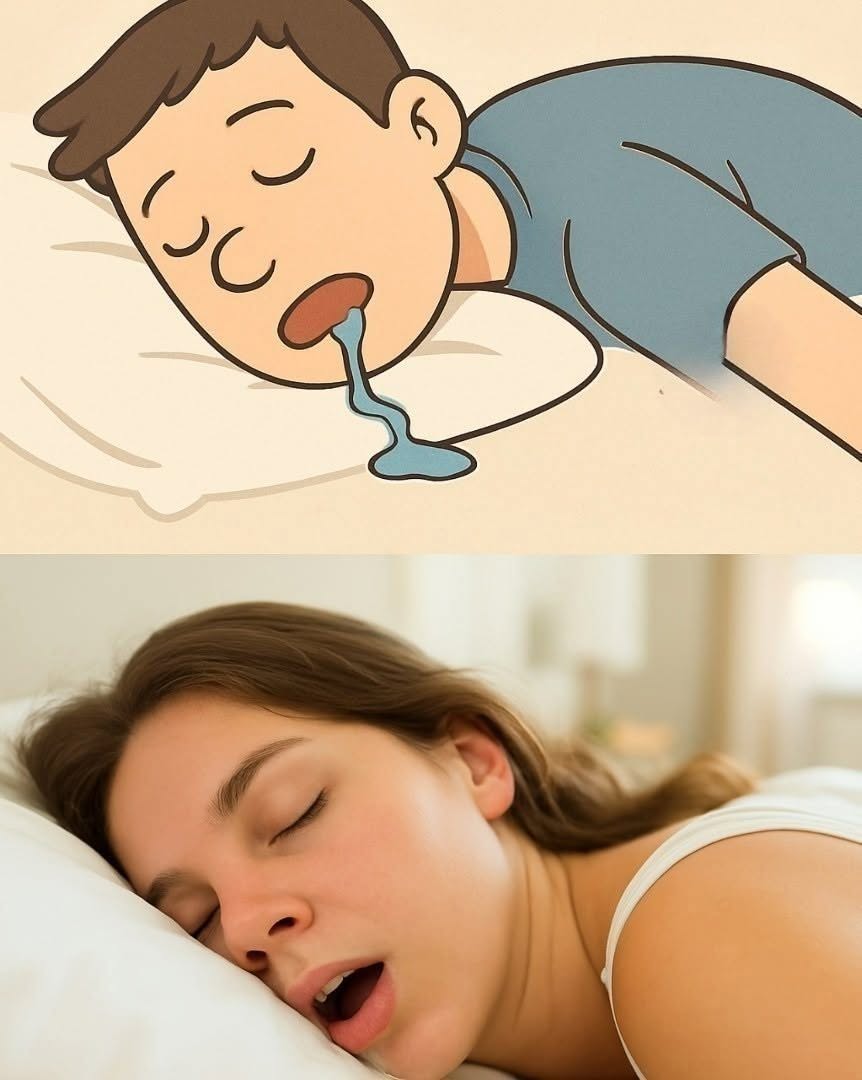
- Sudden or worsening drooling
- Drooling with snoring or daytime fatigue
- Swallowing difficulties
- Weakness on one side of the body or face
- Voice changes
- Unexplained weight loss
- Fever, neck stiffness, or confusion
These could signal sleep apnea, neurological issues, reflux, or infections.
Simple Strategies to Reduce Drooling Tonight
- Sleep on your back; gravity keeps saliva in the mouth.
- Treat nasal congestion with saline rinses or humidifiers.
- Take an antihistamine if allergies contribute.
- Avoid late-night meals to reduce GERD-related drooling.
- Stay hydrated to thin saliva.
- Practice swallowing exercises during the day.
- Consider a mouthguard if teeth grinding is an issue.
- Maintain good oral hygiene and consult your dentist.
Frequently Asked Questions
- Is drooling normal? Yes, occasional drooling is common, especially in side/stomach sleepers.
- Can stress cause drooling? Indirectly — through GERD, teeth grinding, or disrupted sleep.
- Why do some nights cause more drooling? Sleep position, congestion, late meals, and sleep phase can all affect it.
- Can drooling irritate the skin? Yes, enzymes in saliva may irritate corners of the mouth or chin. Use moisturizer or barrier cream.
- Is there a cure? Treating underlying causes usually resolves drooling. Severe cases may require medication or medical intervention.
Conclusion
Continued on next page: