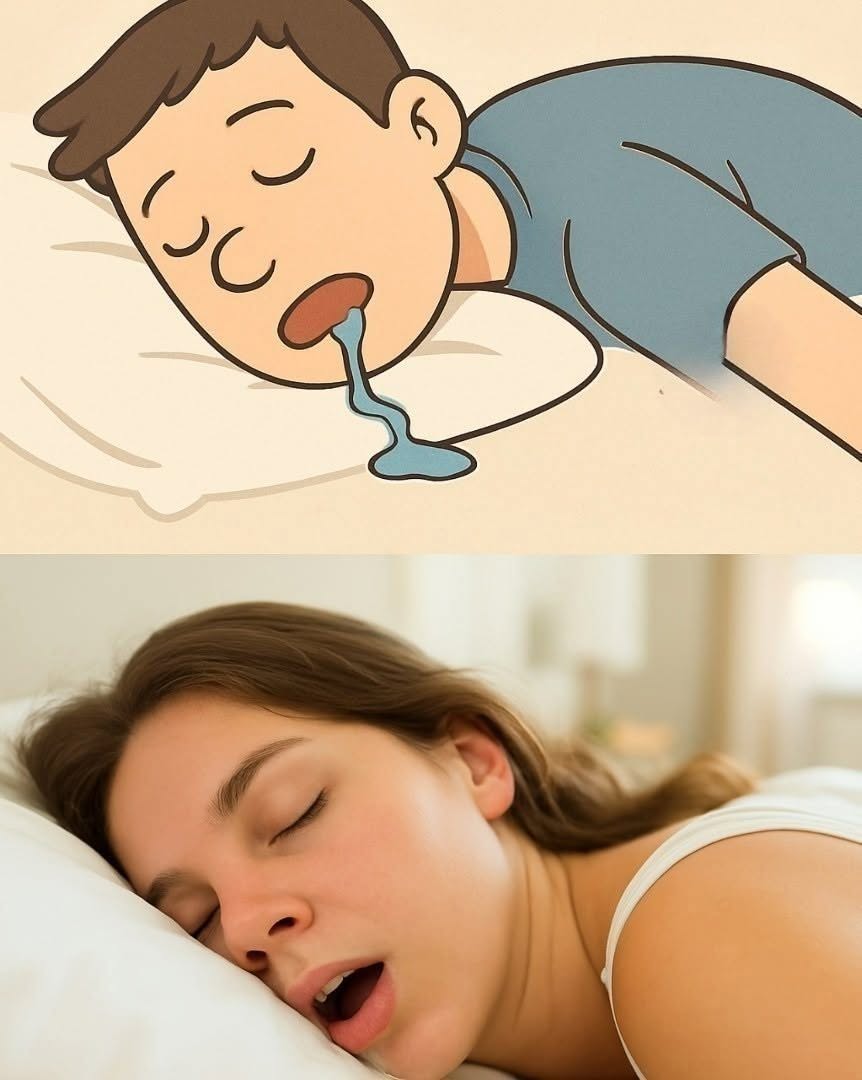
Drooling during sleep is something many people experience but rarely talk about openly. Waking up with a damp pillow can be surprising, embarrassing, and sometimes puzzling. While occasional drooling is completely normal, frequent or excessive drooling can signal underlying health concerns.
A Personal Experience
I first noticed my drooling in my late twenties while sleeping next to my partner. I woke up mortified — a full puddle on my pillowcase. At first, I assumed I was just “a drooler.” I slept on my side, had seasonal allergies — it seemed normal.
But during a routine checkup, I mentioned it to my doctor. She asked a series of questions:
- Do you snore?
- Do you wake up tired?
- Any morning headaches?
- Has anyone noticed you stop breathing during sleep?
The answers revealed something I hadn’t considered: I had obstructive sleep apnea (OSA). The drooling wasn’t the problem — it was a symptom of a larger issue.
Why Do We Drool During Sleep? (Normal Reasons)
Drooling, or sialorrhea, occurs when saliva escapes from the mouth. During the day, we swallow hundreds of times unconsciously. At night, swallowing slows, and gravity can make saliva flow out.
Common normal causes include:
Continued on next page: