Excess moisture can affect more than the windows. A consistently damp car may begin to develop a sour or basement-like odor that becomes noticeable as soon as the doors are opened.Soft materials such as carpeting, floor mats, fabric seats, and interior lining can hold moisture for long periods. If these surfaces do not dry properly, the smell may remain even after the visible water has disappeared.
Reducing humidity can make the interior feel fresher and less clammy. A drier environment gives moisture fewer opportunities to settle into fabrics and remain hidden beneath mats or seats.
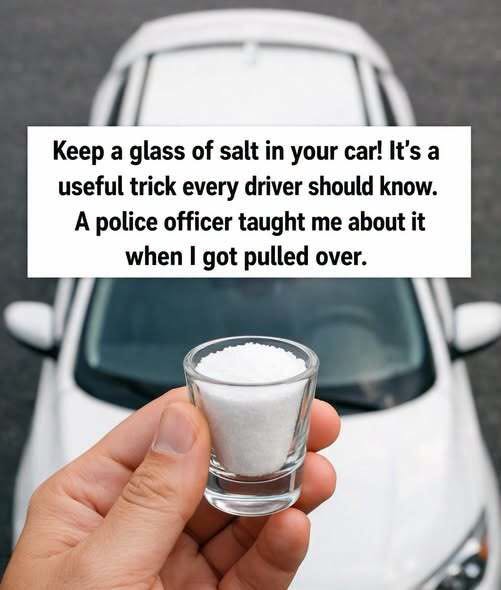
Salt does not perfume the cabin or cover odors with fragrance. Its purpose is to absorb moisture, addressing one of the conditions that can allow stale smells to persist.
The method is therefore different from using an air freshener. A scented product may temporarily change the smell of the interior, while a moisture absorber focuses on the dampness contributing to the problem.
Other Simple Materials That Follow the Same Principle
Salt is not the only everyday material that can be used to reduce moisture inside a vehicle. Other options work through the same basic idea of absorbing dampness from the cabin.
Crumpled newspaper placed on the floor can collect moisture from wet surfaces and humid air. It may be particularly useful when rainwater or damp footwear has left the floor area feeling wet.
The paper should be removed and replaced after it becomes damp. Leaving soaked newspaper inside the car would keep moisture in the cabin rather than helping it dry.Car safety guide
Silica gel packets offer another compact option. These small packets are designed to absorb moisture and can be placed in cup holders, storage compartments, or door pockets.
Using several packets in different parts of the cabin may help target areas where dampness tends to collect. As with salt, they should be checked periodically and replaced when they are no longer effective.Choosing a Safe Location for the Container
Any loose object inside a moving vehicle should be positioned carefully. A cup of salt must not be placed where it could slide, fall near the pedals, block controls, or distract the driver.
A container with a wide base is more stable than a narrow or top-heavy cup. Keeping it in a secure cup holder can reduce the likelihood of tipping during turns or sudden braking.
The container should also be kept away from children and pets traveling in the vehicle. Although table salt is an ordinary household product, an open cup can create a mess if disturbed.
Drivers may choose to cover the container with a breathable material that allows moisture to enter while helping keep the salt from spilling. The covering should remain securely attached and should not prevent air from reaching the contents.
Before driving, it is sensible to confirm that the container remains stable. A moisture-control method should never create a new safety concern inside the cabin.
When the Salt Needs to Be Replaced
Continued on next page: