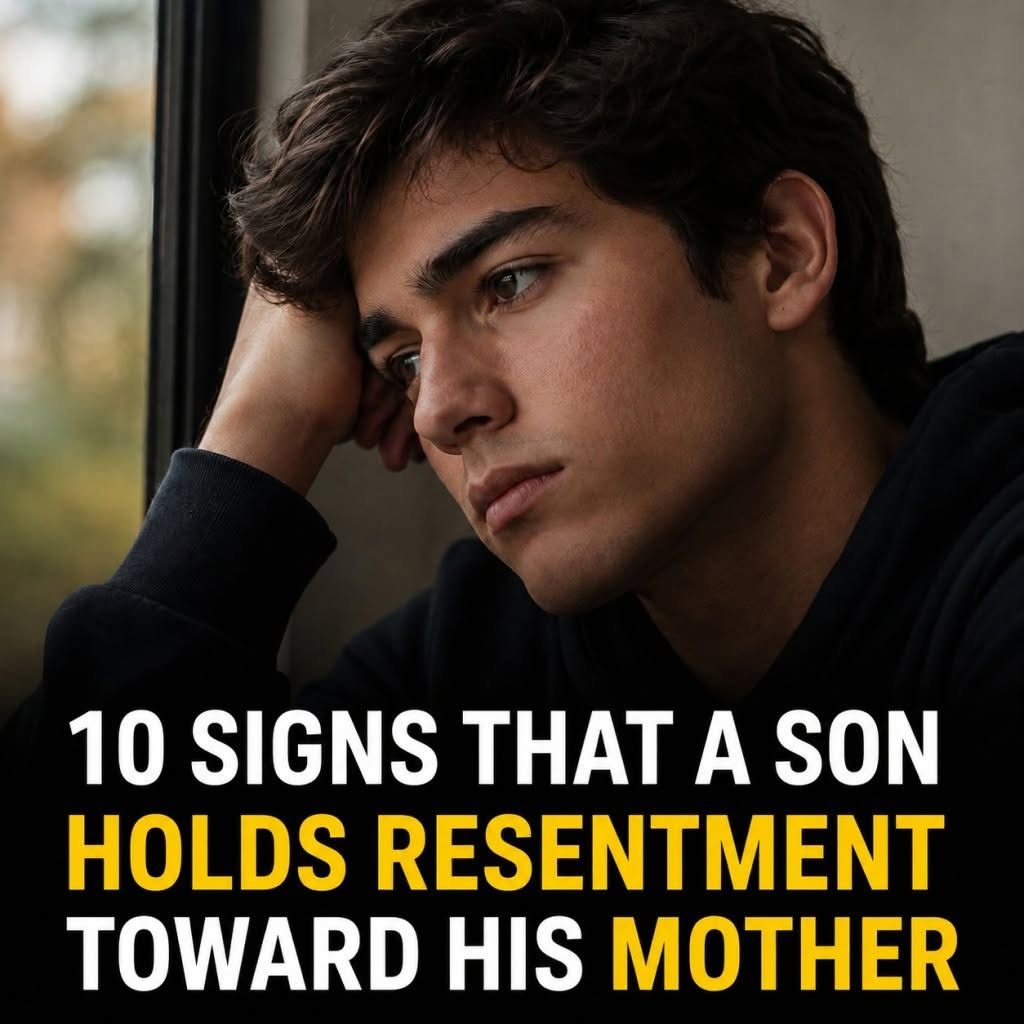
Resentment can lead a child to maintain the role of the wounded one and avoid decisions that might frighten them, such as genuine reconciliation. As long as they continue to expect their mother to change, they will continue to relate to her from a place of accusation, rejecting even sincere gestures of reconciliation.
This rejection is not always conscious. In many cases, the child would like to receive that affection, but something within them blocks it because accepting it would mean lowering their guard against the one who hurt them.
10. Gradual distancing without a declared break
Perhaps the most difficult sign to read is the one that has no defined moment. There’s no fight, no declaration. Simply put, the child gradually fades away. Calls become less frequent, visits shorter, excuses multiply. Total rejection, contempt, or a lack of communication can be signs of deeper, underlying problems in the relationship. The key is not to pressure or demand explanations, but to communicate assertively: expressing what you feel clearly, calmly, and respectfully, without ultimatums or blame.
Recognizing these signs doesn’t mean automatically assuming blame or giving up in the face of distance. Sometimes love isn’t enough, and expert guidance is needed to untangle the knots of the past and learn to communicate again. A psychologist can offer tools to heal wounds, establish healthy boundaries, and rebuild mutual trust. Repairing a damaged relationship is possible. But it always begins with clearly understanding what’s happening.